

AI Photography vs Traditional Photography: An Honest Comparison for Small Businesses
Share
Small business owners often ask whether AI photography or traditional photography is the better investment for brand visuals. The truth is, neither option is universally “better.” Each serves a different purpose, budget, and stage of business.
This guide compares AI photography vs traditional photography in practical terms—cost, quality, flexibility, and real-world limitations—so you can make an informed decision without guesswork. We’ll explain where AI-generated images excel, where traditional photography still matters, and how many businesses use a hybrid approach to balance speed, realism, and budget.
If your goal is professional visuals that align with how your business actually operates, this comparison will help you choose confidently.
Quick Comparison
| Category | AI Photography | Traditional Photography |
|---|---|---|
| Cost | Low to moderate | Moderate to high |
| Speed | Hours to days | Days to weeks |
| Flexibility | Very high (styles, scenes) | Limited by location/time |
| Consistency | Extremely consistent | Depends on conditions |
| Human Direction | Prompt-based | Photographer-led |
| Physical Reality | Simulated | Real-world capture |
Costs: What You’re Really Paying For
AI photography compresses production costs. There’s no studio rental, travel, crew, or weather risk. You’re paying for creative direction, prompt engineering, retouching, and revisions. For many small businesses, this makes professional visuals accessible without a large upfront spend.
Traditional photography includes planning, location, lighting, equipment, talent, and post-production. Those costs buy you real-world capture and tactile authenticity—but they add up quickly, especially if you need frequent updates.
Bottom line: If budget predictability matters, AI wins. If you’re investing in a flagship campaign where physical presence is essential, traditional earns its price.
Quality: Where Each Shines (and Where It Doesn’t)
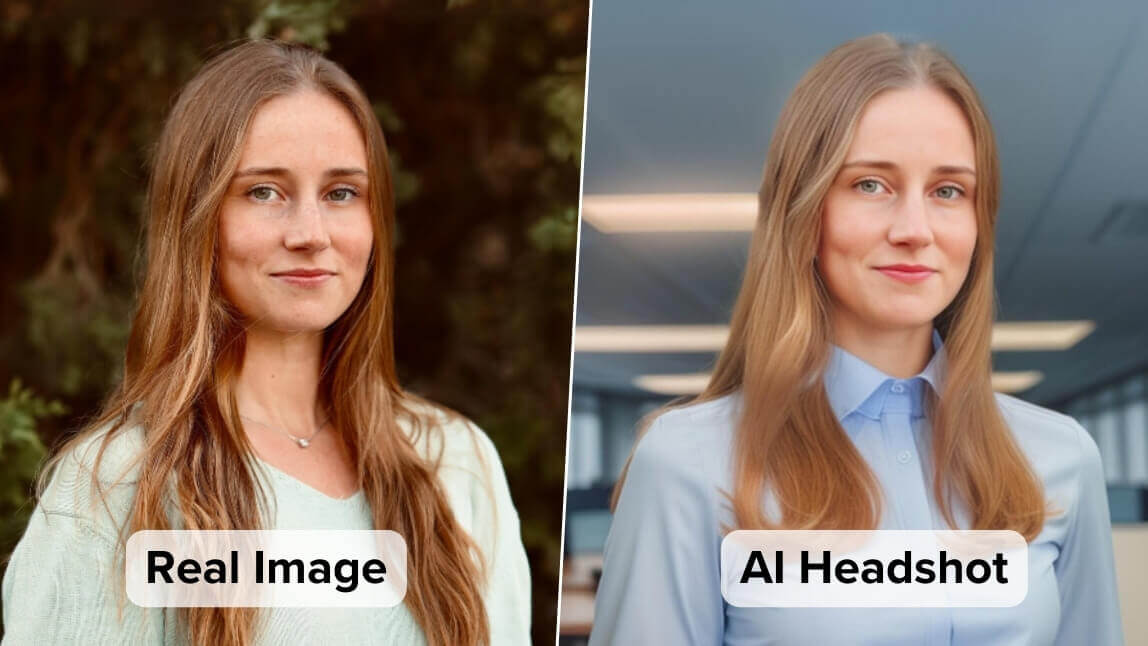

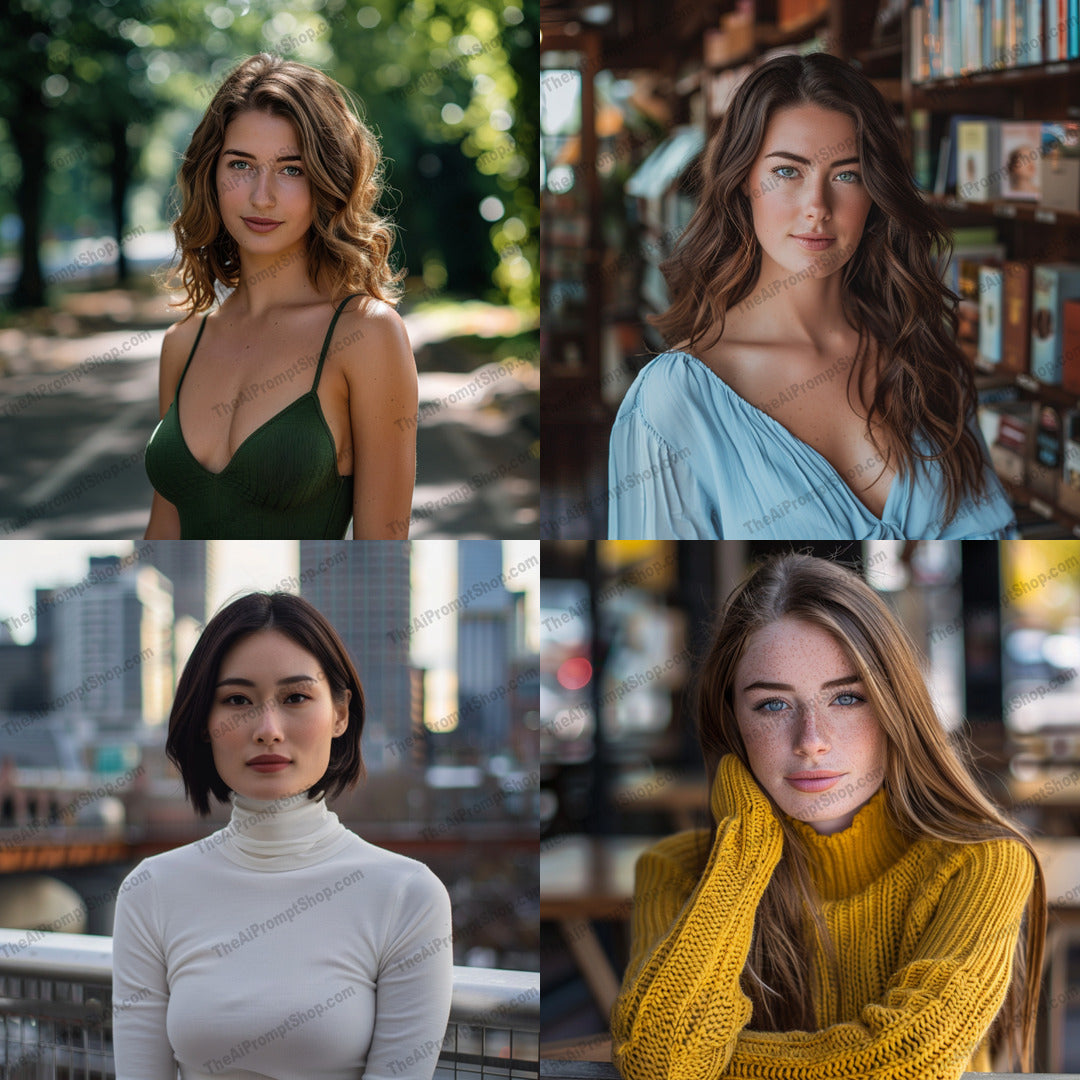
AI photography quality today is strong for:
-
Professional headshots
-
Lifestyle scenes
-
Product mockups
-
Social, web, and ad creatives
Its strength is consistency. Once the look is dialed in, every image aligns with your brand.
Traditional photography quality excels when:
-
Physical products need exact textures
-
Events require documentation
-
Motion, spontaneity, or interaction matter
-
Legal/press standards demand real capture
Honest trade-off: AI can simulate reality convincingly, but it doesn’t experience it. Traditional photography captures moments AI can’t predict.
When AI Photography Is the Better Choice
Choose AI photography if you:
-
Need fast turnaround
-
Want multiple looks without multiple shoots
-
Are building an early-stage brand
-
Refresh visuals frequently
-
Need consistency across platforms
This is why many founders use AI for websites, LinkedIn, Instagram, product pages, and ads.
When Traditional Photography Is the Better Choice
Choose traditional photography if you:
-
Are launching a major campaign
-
Need event coverage
-
Sell physical products where texture and scale are critical
-
Require documentary credibility
-
Want in-person creative collaboration
For certain industries and moments, nothing replaces a camera in the room.
A Practical Hybrid Approach (What Many Brands Do)
Most smart small businesses don’t choose one forever. They:
-
Use AI photography for everyday brand visuals
-
Use traditional photography for milestone moments
This keeps costs controlled without sacrificing authenticity where it matters.
How OmMG Studios approaches AI photography responsibly
Next Step: How to Decide for Your Business
Ask yourself:
-
What’s the primary use of these images?
-
How often will I need updates?
-
What level of realism is required?
-
What’s my budget tolerance?
-
How quickly do I need results?
If speed, flexibility, and consistency top your list, AI photography is likely the right fit. If realism and physical presence are non-negotiable, traditional photography is the better investment.
If you want help evaluating your specific use case, that’s exactly where OmMG Studios starts—clear guidance first, visuals second.